



Discreet and fragrant verbena
A plant dear to the ancient Romans, appreciated to this day for its varied medicinal properties and discreet charm. In this article we help you learn more about verbena, a plant that we often ignore in our explorations in nature, but a fundamental ingredient in herbal medicine and cooking because of its versatility and multiplicity of uses.
Table of contents:
- The plant
- Types of verbena
- What are the properties and benefits of verbena?
- How to use verbena?
- Curiosities
The plant
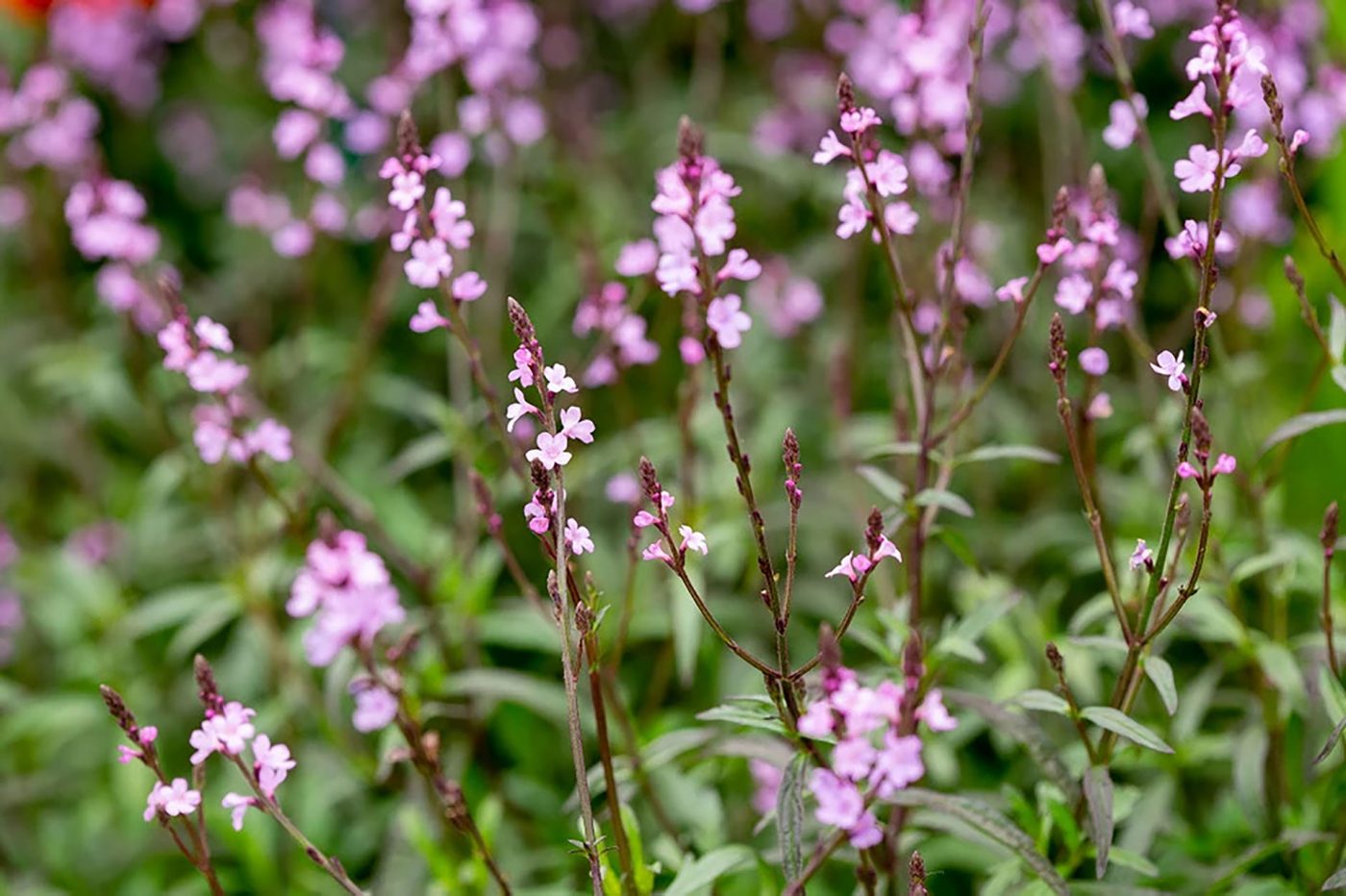
Who knows if during your walks through meadows, fields or ruderal environments you have happened to catch a glimpse of this plant growing wild: herbaceous, up to 60 cm tall, with small pinkish-violet flowers grouped in spikes, unobtrusive and simple.
Verbena (Verbena Officinalis L.) is native to Europe, although it is now easy to spot in all temperate zones of the globe, and very widespread in our country up to 1400m. Also called columbine her b or crocus herb, it has historically been widely used for its beneficial properties throughout the peninsula, as far back as ancient Roman times, where it was considered sacred; by extension, all sacred plants such as laurel,olive and myrtle were themselves called verbena. Not only the Romans, but also for the Druids of Gaul and Britain Verbena was seen as magical and sacred.
The types
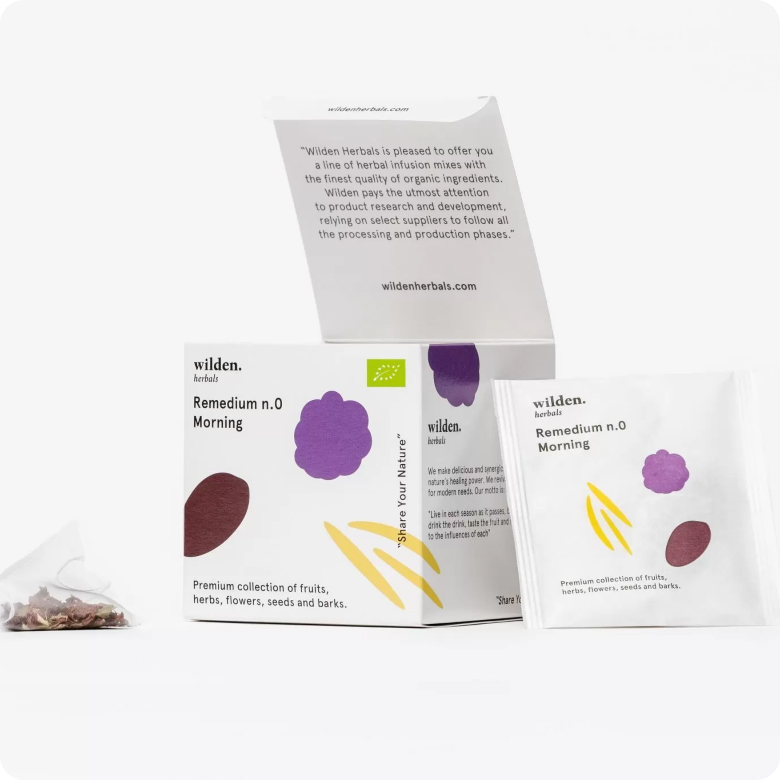
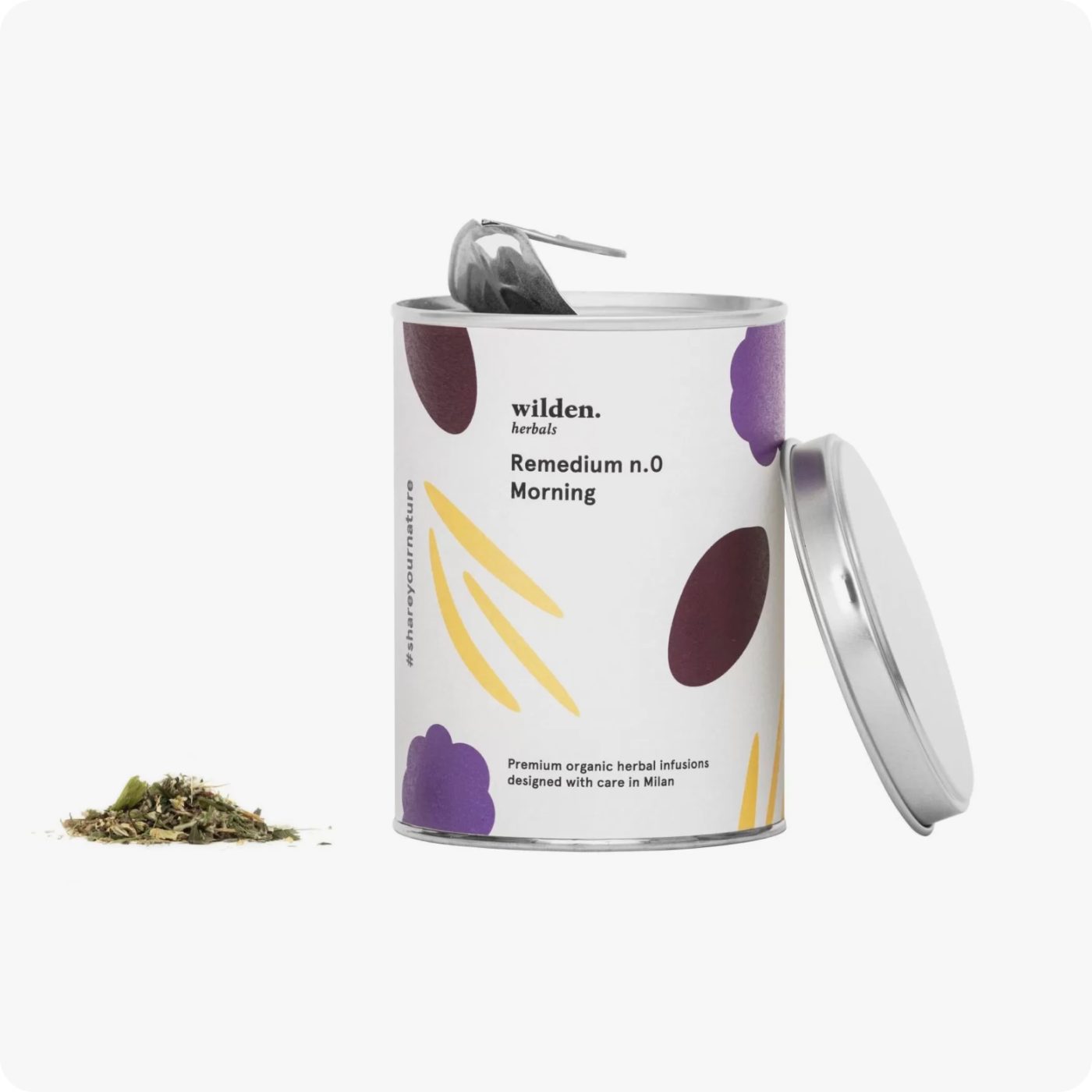
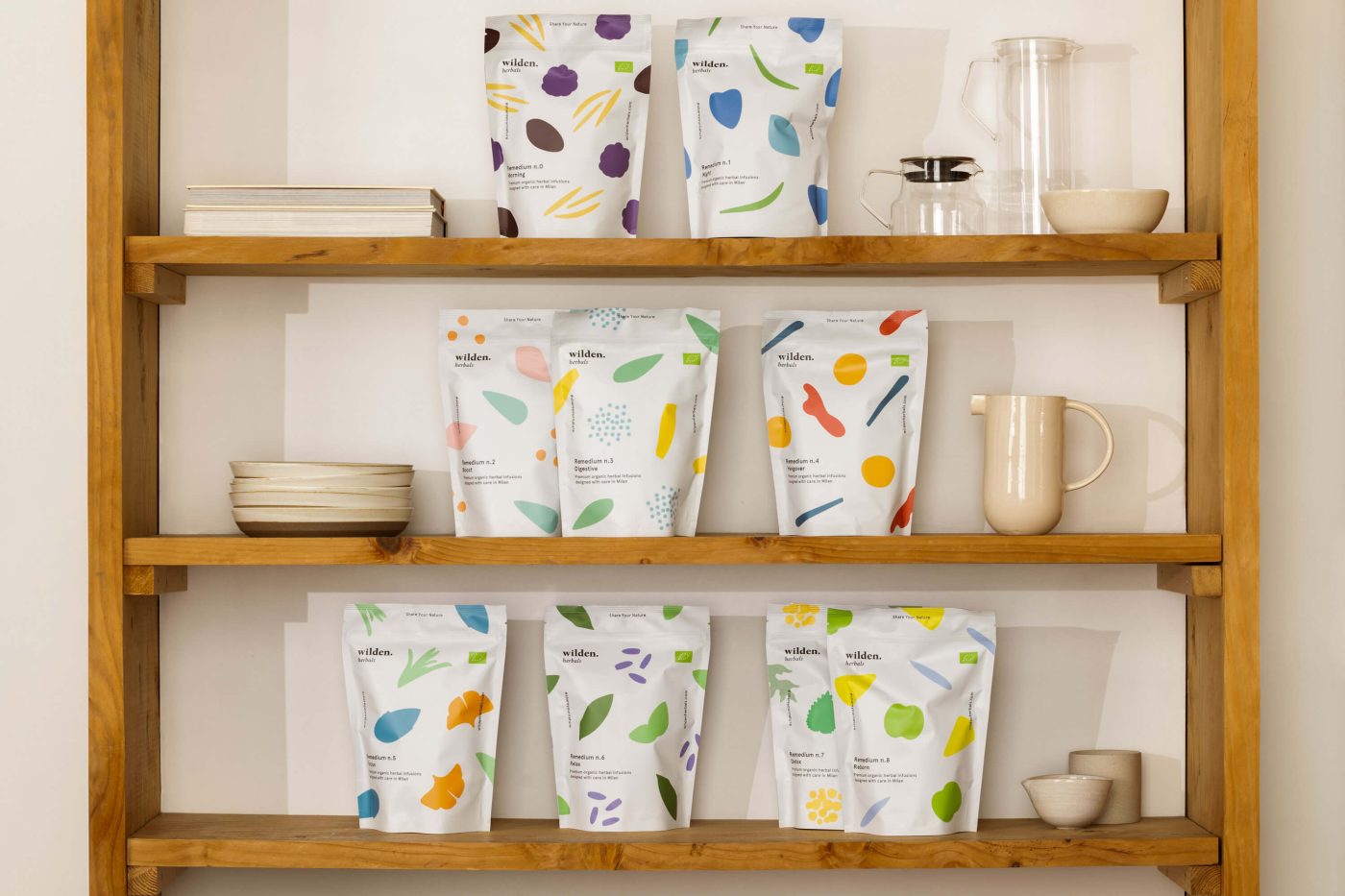
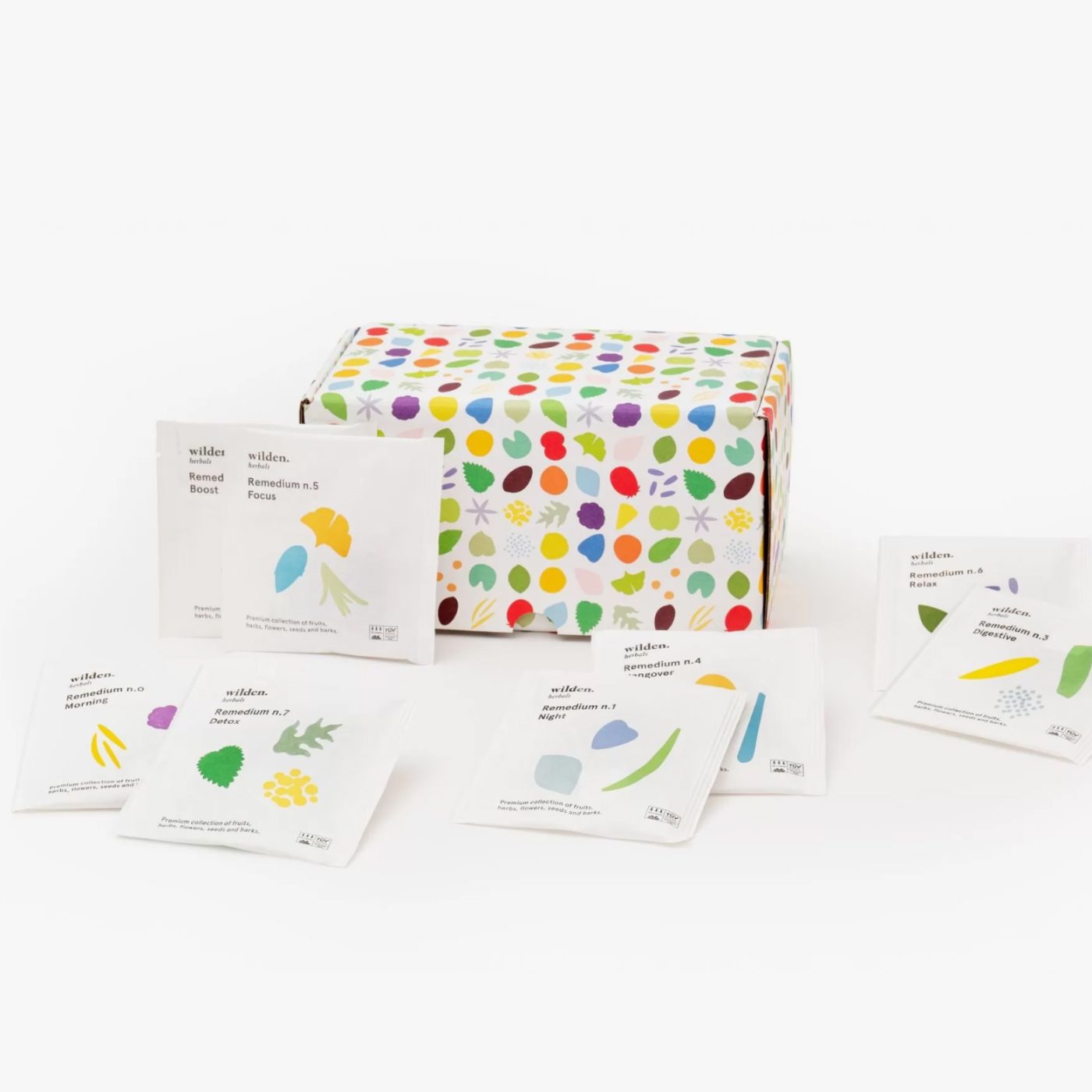
The distinction between verbena officinalis (which in Wilden.herbals we use, inspired by herbal and healing preparations, in our Remedium No. 5 – Focus) from its sister verbena odorosa, also known as lemon grass, part of the same family but much more suitable in culinary preparations to which it imparts a distinct sweet and citrusy scent.
What are the properties and benefits of verbena?
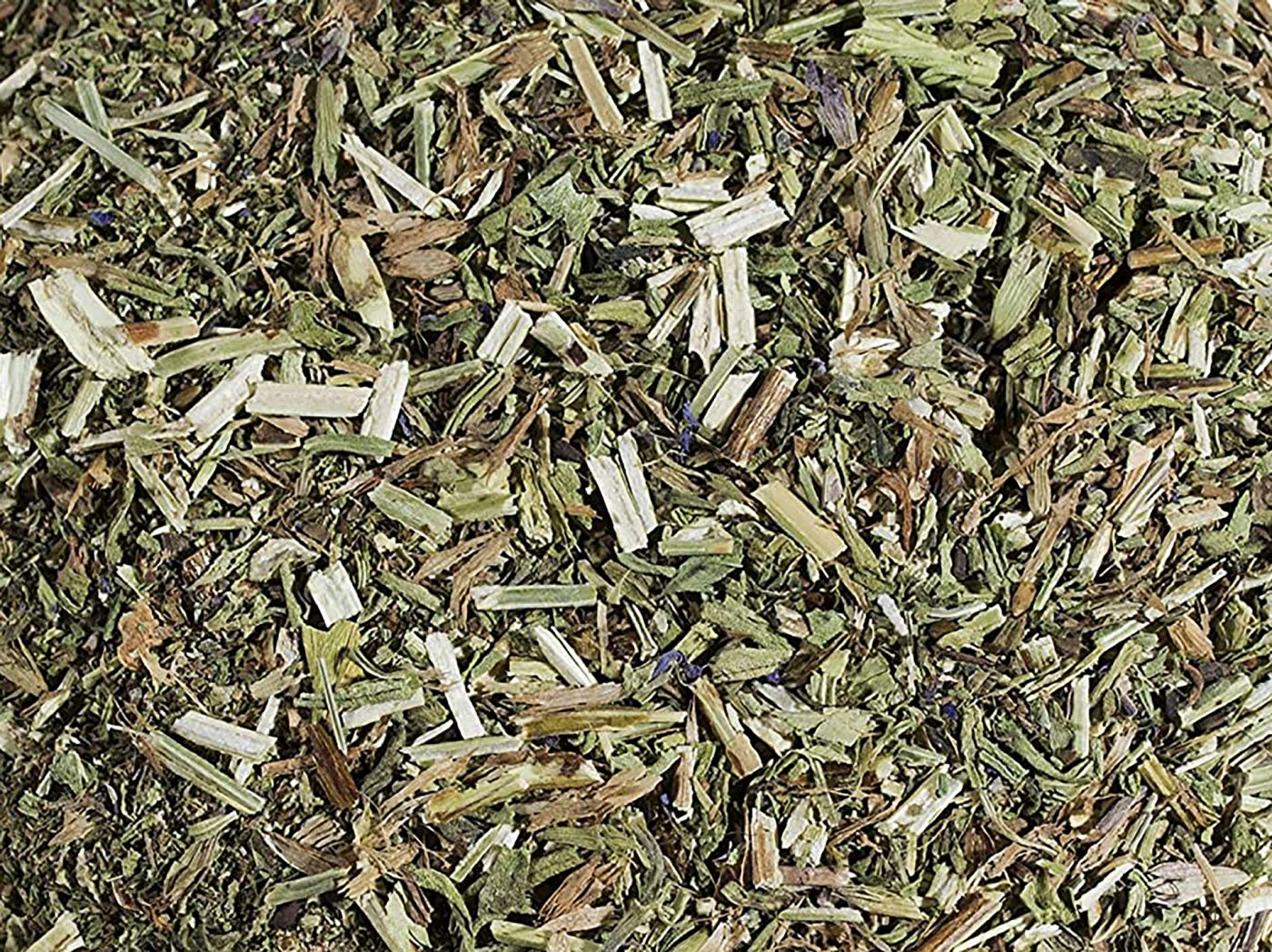
The main use of verbena (flowers and leaves) has always been as an ingredient in infusions and herbal preparations with draining, analgesic, antipyretic, calming and diuretic properties. The flowering tops are used in decoctions to defeat throat inflammation by gargling.
In cosmetics, on the other hand, the plant’s infusion is indicated as an eye decongestant: a true natural anti-black eye, or as a hair tonic.
In Italy as in Spain, in Austria up to China, traditional medicine has always made wide use of it for a variety of problems, skin, inflammatory, gastric and so on. It is easy to imagine why so many populations considered it fundamental in their pharmacopoeia.
How to use verbena?
In a nice infusion, combined with other Mediterranean plants, you’ll be sure not to go wrong. Don’t trust it? Try the Remedium No. 5 – Focus by Wilden.herbals that we have designed for you, to help you regain harmony and sublimate your every break.
If you prefer to try your hand at cooking, choose fragrant verbena, and dive into fragrant herb mixes (a classic along with thyme, basil, mint and chives) to flavor meats and salads, or in the preparation of liqueurs and digestives. Even in pastry it can give satisfaction, for example to flavor a delicate panna cotta.

Curiosities
On the origin of the name there are several hypotheses: it could derive from the Celtic ferfaen, “to drive away stones” since verbena was used to remove stones, or from the Latin verb verbenare “tostrike with the rod,” since treaties were touched with this plant to make them official. A more than understandable usage, since among the Romans it was with this herb that ambassadors were crowned when making alliances or, conversely, declaring war.
Verbena is a good melliferous plant, which means it produces a good amount of nectar, which is then used by bees to produce honey.
St. John’s Magical Herbs, which include verbena, are a group of herbs that harvested on the night of June 24 (St. John’s Day in fact), were traditionally used to win the heart of the beloved woman by drying them and then throwing them toward the beloved’s home to overcome her resistance.
Sources
- Practical guide to medicinal plants. Observe, recognize and use the most common Italian and European medicinal plants by Gilberto Bulgarelli, Sergio Flamigni
- Akbar S. (2020) Verbena officinalis L. (Verbenaceae). In: Handbook of 200 Medicinal Plants. Springer, Cham. https://doi.org/10.1007/978-3-030-16807-0_192
- https://www.inherba.it/verbena-officinalis-utilizzo-proprieta-e-tradizione/